Older than the Country Itself: Corn in Guatemala
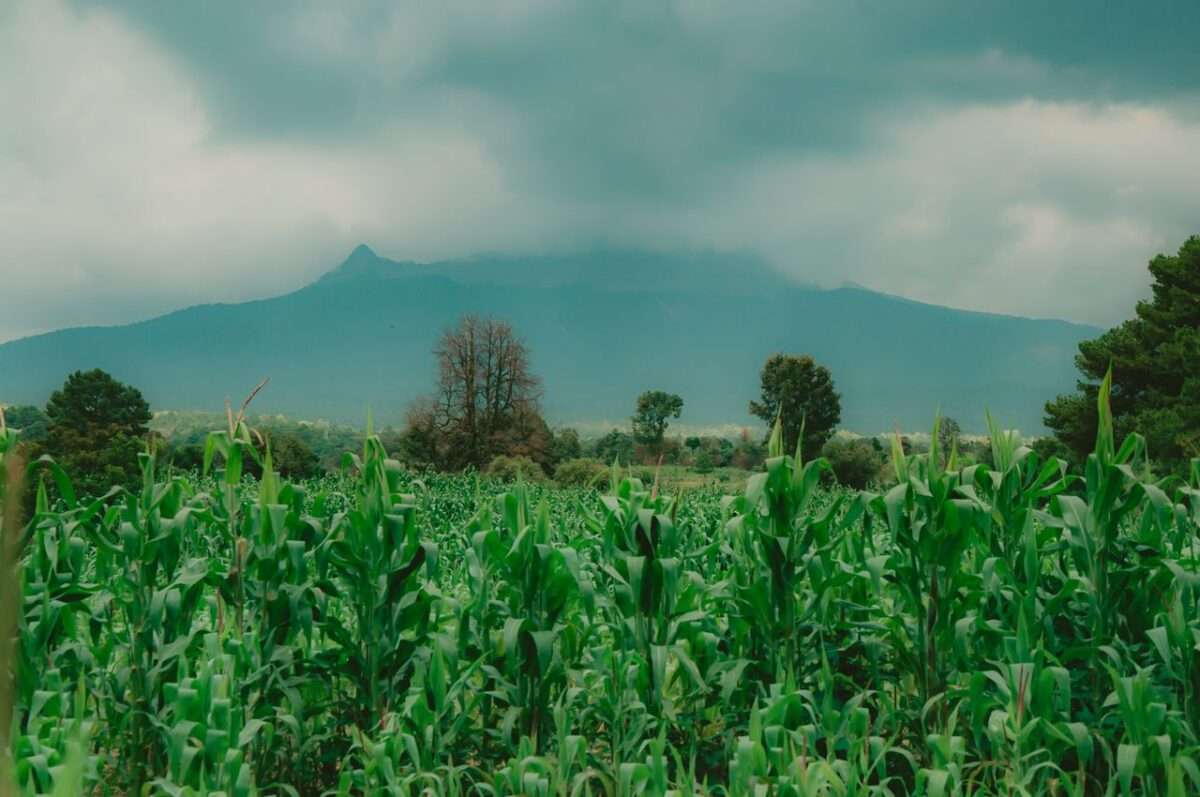
In Guatemala, corn is never just an ingredient. It is history, identity, and heritage rolled into every tortilla, tamal, and bowl of atol served across the country. For travelers who want to understand Guatemala beyond its volcanoes and colonial streets, corn is one of the best places to start.
The vast majority of corn in Guatemala is grown within an intercropping system called the milpa (or Ab’iix in Maya languages). Instead of planting corn alone, farmers use the “Three Sisters” method:
- Corn: Grown first, providing tall, sturdy stalks that act as natural trellises.
- Beans: Climb up the corn stalks and naturally inject nitrogen into the soil, acting as a built-in fertilizer.
- Squash: Sprawls across the ground, its wide leaves shading the earth to retain moisture and prevent weed growth.
Nixtamalization is an ancient Mesoamerican process over 3,000 years old, where dried corn is cooked and soaked in an alkaline solution, typically water mixed with calcium hydroxide (slaked lime or cal), then washed and hulled. This transformation turns raw corn into pliable masa dough for tortillas and tamales while unlocking essential nutrients. The alkaline solution breaks down complex structures, freeing up bound niacin (Vitamin B3) and making calcium, iron, and amino acids digestible to prevent malnutrition like pellagra.
“We grow corn not to sell it but to feed our families, it is our identity.” – A horticulturist in Guatemala
A Crop with Sacred Roots
Corn’s importance in Guatemala goes back long before the country had a name. According to the Popol Vuh, the sacred book of the K’iche’ Maya, humans themselves were shaped from corn dough after the gods’ earlier attempts at creation failed. That origin story still echoes through daily life today: in the way corn is planted, harvested, and shared, and in the respect it commands at every table.
This is why Guatemala celebrates the Dia Nacional del Maiz, a day dedicated to honoring corn’s role in national identity, not as a nostalgic gesture, but as a living, everyday reality.
From the Milpa to the Market
Across the highlands, corn is still grown using the traditional milpa system, where corn, beans, and squash are planted together in a method passed down through generations of Maya farmers. Visiting a local market, whether in Antigua, Chichicastenango, or a smaller highland town, is one of the most authentic ways to see corn’s central role for yourself. Piles of dried kernels in different colors, fresh masa being patted into shape, and vendors selling warm tortillas straight off the comal all tell the same story: this is a culture built around corn.
A Taste of Everyday Guatemala
Corn shows up everywhere in Guatemalan cuisine, and each dish carries its own regional twist:
- Tortillas: the daily staple, handmade fresh at nearly every meal
- Tamales: corn dough wrapped in banana or corn husk leaves, filled with meat, chile, or sweet ingredients, especially popular during holidays
- Atol: a warm, comforting corn-based drink enjoyed for breakfast or as a street-food treat
- Pinol and chuchitos: regional specialties that highlight just how versatile corn can be
For visitors, joining a cooking class or a family meal that centers on corn dishes is a chance to taste generations of tradition in a single bite.
Why This Matters for Travelers
Understanding corn’s place in Guatemalan culture adds depth to any trip. It transforms a simple market visit into a cultural experience, and a shared meal into a window onto Maya heritage that still shapes the country today. Travel, after all, is not only about seeing new landscapes, it is about discovering the traditions that give a destination its soul.
Experience It for Yourself
If you want to go beyond sightseeing and truly connect with Guatemala’s culture, consider building a market visit or a traditional cooking experience into your itinerary. Walking through a local market, watching tortillas made by hand, or sitting down to a family-style meal are simple moments, but they are often the ones travelers remember most.
Ready to discover the flavors and traditions that shape Guatemala? Explore our curated cultural experiences and let us help you plan a trip that goes beyond the surface.