Guatemala in Green Season: What Nobody Tells You About Traveling in the Rain
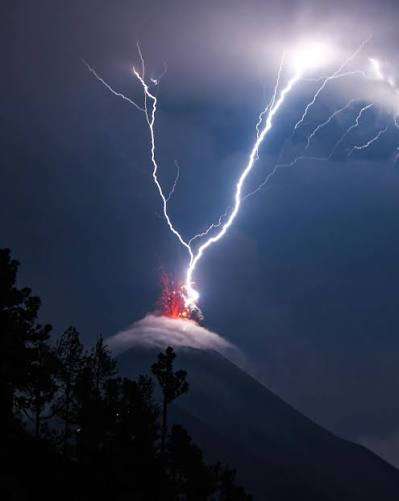
The crowds just left. The prices just dropped. And in two weeks, the mountains turn a shade of green you will not believe. Here is why mid-May is the smartest time to arrive in Guatemala.
The Crowd Myth
Every year, tens of thousands of travelers time their Guatemala trip around Semana Santa, and every year, they leave the moment it ends. Hotels empty. Roads clear. The cobblestones of Antigua, just days ago buried under processions, breathe again. If you are reading this in mid-April, you are standing at the exact right moment.
What most travel guides call the rainy season runs from May through October. But here is what they do not tell you: the rains follow a rhythm, warm, dry mornings; dramatic afternoon showers; clear, golden evenings. Traveling in green season is not about surviving the weather. It is about reading it.
What Changes (And What Does Not)
Prices drop by 20 to 40 percent at most mid-range hotels and lodges from mid-April onward. The boutique properties in Antigua that were fully booked three weeks ago now have rooms. The shuttle that was packed with 14 strangers holds six. Your guide has time to stop, point out a bird, tell you the story behind a ruin.
The landscape transforms in ways that photographs simply cannot capture. Lake Atitlán takes on a depth of color in the green season that the dry months cannot match. The volcanoes, Atitlán, Tolimán, San Pedro, go from brown-shouldered to almost luminously green within a matter of weeks. The terraced hillsides above San Marcos la Laguna and San Juan La Laguna fill with corn, beans, and wildflowers.
Packing for the Afternoon
The single most important thing to understand about green season in Guatemala is this: it rains in the afternoon. Not all afternoon, and not every day, but you can count on clouds building over the volcanoes by 1 or 2pm, and a meaningful shower arriving by 3 or 4pm. Plan your hikes, boat rides, and outdoor activities for the morning. By the time the rain hits, you are back in town, having a late lunch, watching the streets steam.
Pack a serious waterproof jacket (not a poncho, wind makes ponchos useless on lake crossings). Bring quick-dry fabrics. Assume your shoes will get wet at least once. And bring layers, temperatures in Antigua, Chichicastenango, and the Highlands drop sharply once the clouds move in.
Where to Go in Green Season
Antigua is always a good base, but May through June is when it is at its best for unhurried travelers. The streets are walkable. The restaurants have tables. The weekend market at Nim Po’t is not a contact sport.
For nature travelers, the green season opening is the moment to head into the Highlands. The road to Todos Santos Cuchumatán, one of the most strikingly traditional Mam Maya towns in Guatemala, passes through cloud forest that is almost impossibly beautiful in the wet months. The market at Chichicastenango runs year-round, but the Thursday and Sunday gatherings feel especially intimate once the tour buses thin out.
The Pacific coast, Monterrico and Sipacate, gets rain earlier and harder than the Highlands, but the sea turtle nesting season begins. If watching leatherbacks and olive ridleys haul themselves up the black sand at night is on your list, this is the window.
The Honest Part
Green season travel is not for everyone. Some roads in the Western Highlands wash out by July. The path up Volcán Santa María becomes treacherous when wet. If your heart is set on perfectly blue skies for every photograph, November through February is your season.
But if what you want is a Guatemala that feels like yours, uncrowded, generous, still, and strikingly alive, mid-May through early June is the window most travelers walk right past. We would rather keep it that way. But here you are.