More Valuable Than Gold: The Story Behind Guatemalan Jade
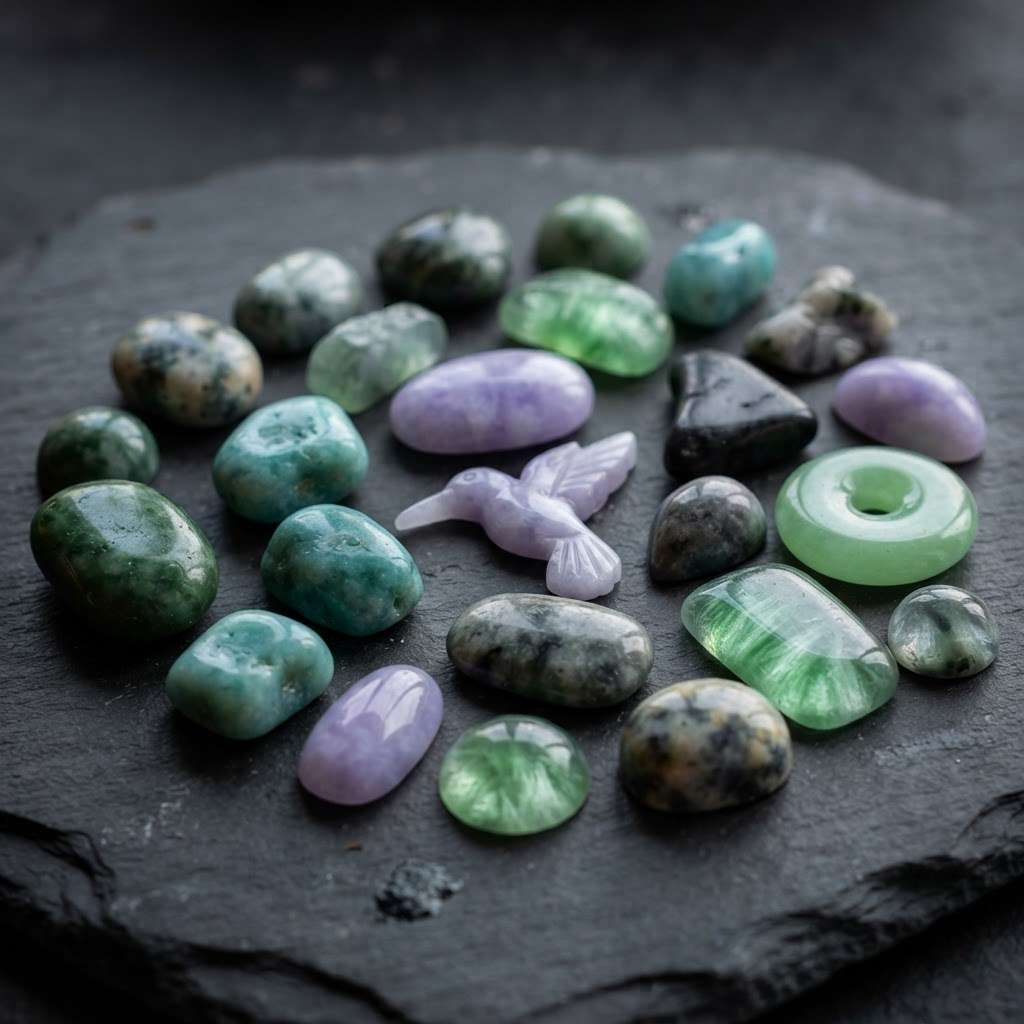
What the stone means, where it comes from, and how to know what you are buying
For five hundred years, nobody on earth knew where Maya jade came from. That alone should tell you this is not your average souvenir. Here is what is actually worth knowing before you shop for it.
Where does Guatemalan jade actually come from?
Nearly all of it comes from the Motagua River valley, in the southeastern highlands, an area shaped by two tectonic plates colliding millions of years ago. This region, sometimes called the Sierra de las Minas, is one of the few places on earth where jadeite, the rarer and harder of the two jade minerals, is found in meaningful quantity.
Is Guatemalan jade real jade?
Yes. Guatemalan jade is jadeite, the same mineral prized historically in places like Burma and China, confirmed through gemological testing after its rediscovery in the 1970s. It comes in a wide range of colors, including green, blue-green, lavender, black, and a rare, highly translucent variety now referred to as Guatemalan Imperial Jade.
Why was Guatemalan jade lost for so long?
The Maya kept the location of their jade sources secret to protect them during the Spanish conquest, and over the following centuries, the exact mines were forgotten entirely. It took until the 1970s for an American couple prospecting in the region to rediscover the original sources, ending nearly five hundred years without access to the material the Maya once considered more valuable than gold.
Is Guatemalan jade valuable?
Jade does not have a universal pricing standard the way gold or diamonds do. Value depends on color, translucency, texture, and craftsmanship rather than weight alone. Vivid, highly translucent green stones command the highest prices, while more common colors like the signature grey-blue-green are more accessible without being any less authentic.
How can you avoid buying fake jade?
The safest approach is buying from an established workshop or seller who can explain the stone’s origin and provide documentation, rather than street stalls with no traceability. Treated or dyed jade looks convincing but carries a fraction of the value of natural stone, so asking directly whether a piece is natural and untreated is a reasonable and expected question.
Can you visit a jade workshop in Guatemala?
Yes, and it is one of the more memorable craft experiences in the country. Visitors can watch raw stone, dull and unremarkable at first, get cut, shaped, and polished by hand into the deep greens and blues that made this material so prized by the Maya.
Interested in discovering the story behind Guatemala’s sacred stone? Columbus Guatemala Travel arranges visits that bring the history of jade to life, from raw material to finished craft.