Traveling Solo as a Woman in Central America: A Real Guide
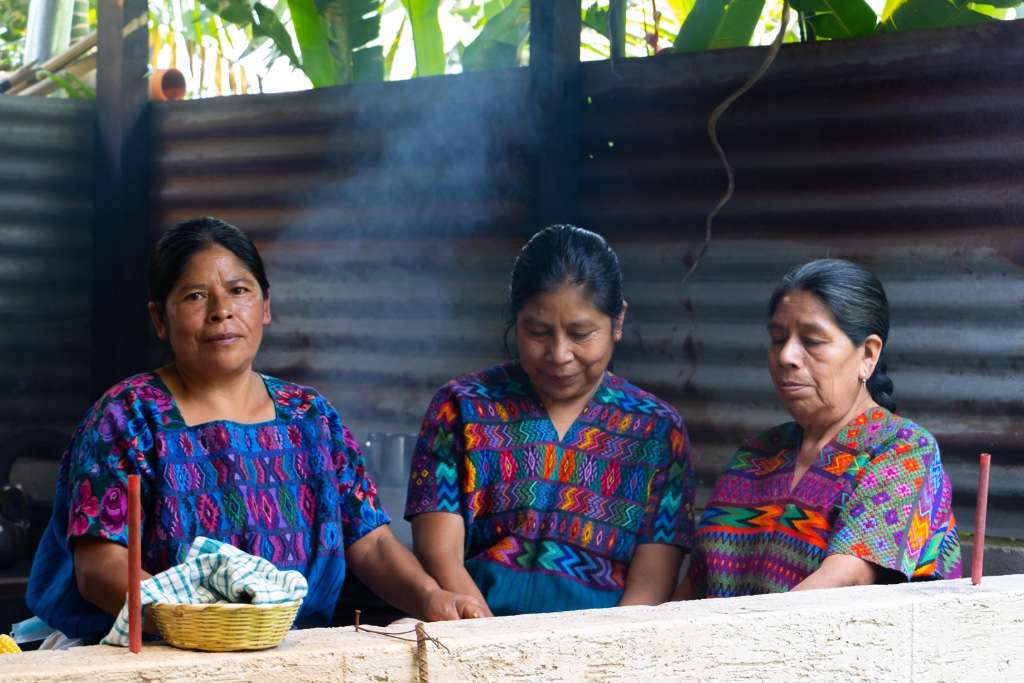
Not the sanitized version. The real one, from women who have done it, guided it, and lived it across five countries.
The Version You Usually Get
Most solo female travel guides to Central America come in one of two flavors. The first is relentlessly positive, you will be fine, the people are warm, trust your instincts. The second is borderline alarmist, be careful, be aware, do not walk alone after dark. Both versions are incomplete. Both are more concerned with the writer’s liability than the reader’s reality.
This guide is written by women who have traveled, guided, and worked in Guatemala, Belize, El Salvador, Honduras, and Costa Rica over more than a decade. It will tell you what is genuinely challenging, what is manageable, and what is actively wonderful about traveling solo in this region as a woman.
The Real Landscape
Central America is not uniformly safe or uniformly unsafe. It is a region of extraordinary variation, by country, by city, by neighborhood, by time of day. Guatemala City’s Zone 1 at 11pm and Antigua’s main square on a Sunday afternoon are not remotely similar experiences. Treating them as equivalent, as many travel advisories do, produces advice that is either too cautious to be useful or too general to be trusted.
The places where solo female travelers most consistently feel comfortable, Antigua, Flores, Copán Ruinas, Suchitoto, Caye Caulker, La Fortuna, are not accidents. They are places where tourism infrastructure has developed in ways that make the presence of foreign women walking alone feel normal and unremarkable. Choose your bases well and much of the calculus changes.
What Women Here Actually Say
The guides we work with, the majority of whom are women, say the same things. Move with purpose, not with anxiety. Learn enough Spanish to be polite and to exit conversations. Stay in places with other travelers, especially in your first nights in a new city. Take taxis from apps or from hotel-recommended drivers at night, not from the street. These are not rules born of fear. They are habits born of experience.
Verbal harassment exists. It is most common in larger cities and least common in small towns and rural areas where the social dynamics are different. It is almost never a precursor to anything physical, and responding with silence or firm disinterest is almost always effective. This is worth knowing and not worth catastrophizing.
The Practical Stuff
Dress codes matter more in Guatemala than anywhere else in the region. In Indigenous communities around Lake Atitlán and in the Western Highlands, covering shoulders and knees is not just respectful, it also changes how you are perceived and treated. A light scarf is one of the most useful items a solo female traveler can carry in Guatemala.
Spanish opens doors in ways that are hard to overstate. Even basic Spanish, enough to ask for directions, to greet a host, to navigate a market without looking lost, fundamentally changes the dynamic. You are no longer a tourist to be managed. You are a person who is trying. That shift matters.
What Is Genuinely Wonderful
Solo travel in Central America, done thoughtfully, offers something that group travel rarely can: the full attention of the people you meet. A solo woman eating at a comedora in a small Guatemalan town will be drawn into conversation in a way that a couple or a group will not. The family at the next table wants to know where you are from. The owner wants to know if you liked the food. These are not transactions. They are the actual point.
The women who have traveled this region alone and come back for more are not reckless. They are awake. They have learned to read situations, to trust hospitality without being naive about risk, to hold both the complexity and the beauty of the place they are in. That is not a special skill. It is a practice. And Central America, for all its complications, is one of the best places in the world to develop it.